Reproduction Parts for 1916-1964 Chevrolet Passenger Cars & 1918-1987 Chevrolet & GMC Trucks SHOP ONLINE | ONLINE CATALOG | ABOUT US

Very nice job! I too do some of my best thinking in the middle of the night.

@stovebolt-6 I was reading a "Buyer's Guide" a while back. I don't remember the publication that printed it. Their advice was to look for precise, even gaps on cars clear back to the 20s. They even said that wide/uneven gaps were a sign the car had been worked on. As a young man I was a body man and worked daily on cars from the 30s and up. It wasn't daily, but I also laid hands on older. I can tell you from personal experience that that advice is 180 degrees wrong. Gaps didn't start becoming important until the auto design renaissance that started in the 50s and gained importance when imports started kicking our butts in the 70s. Starting in the 50s, each generation of car had better fit & finish than the last. My Buyer's Guide: If you find an antique car with perfect gaps, it's been worked on so get your magnet out and look underneath for hidden damage/repairs.
7046 old site posts
Save a life, adopt a senior shelter pet
There are many good people. If you can't find one, be one.
1938 Master Business Coupe-Sold, now living in New Jersey
1953 210 Sedan

@tiny Tiny, thats good advice as always. I used to go to car shows in fields and fairgrounds in Maine. Most of the cars were unrestored. The gaps were all over the place. Then I finished my truck and figured I could get a few ribbons with the work I did on the body … I started to go to shows and found the competition to be the guys with the $10k paint jobs and perfect panels and such. In the meantime I did all the metal and paint work on my truck myself. I left some dings and also wet sanded the finish to make her look authentic to 1953. I still love the old girl and I’m proud of my work.
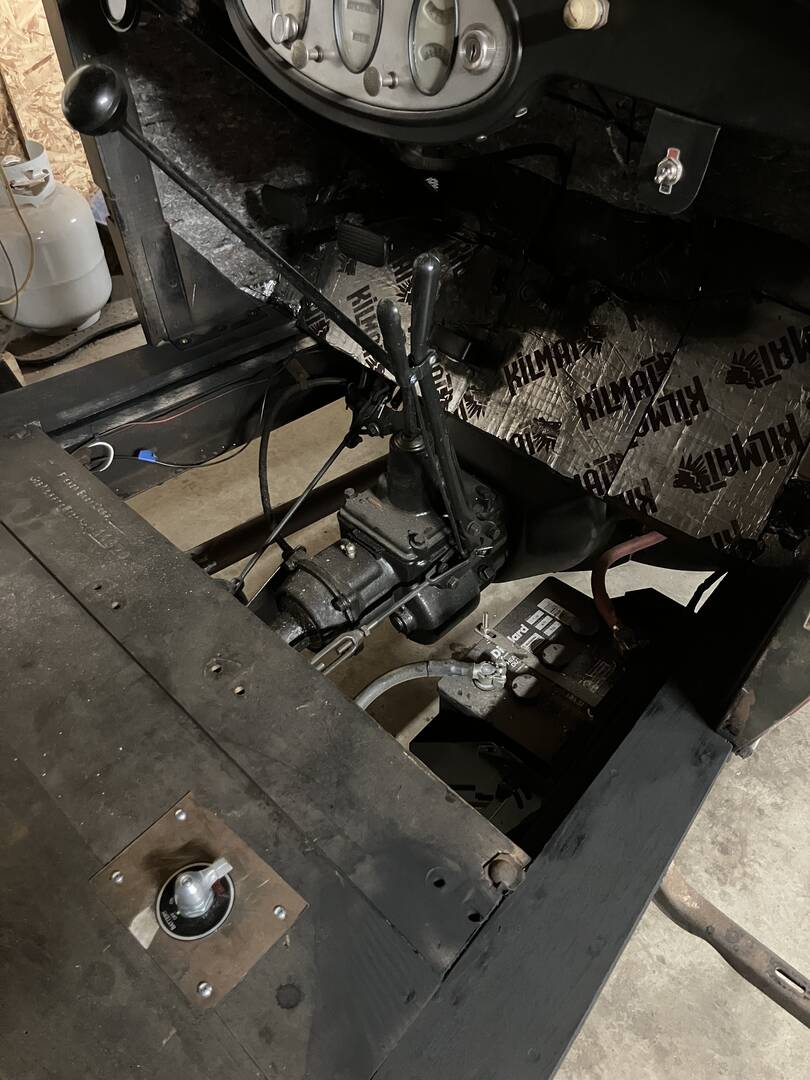
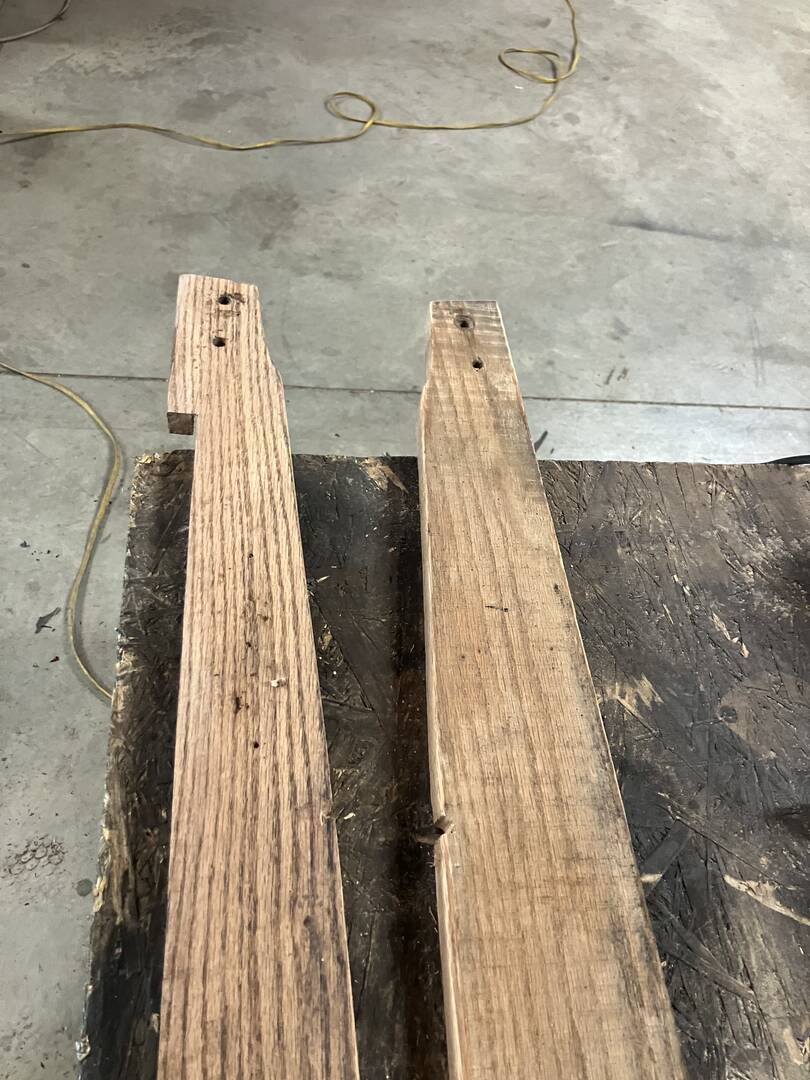
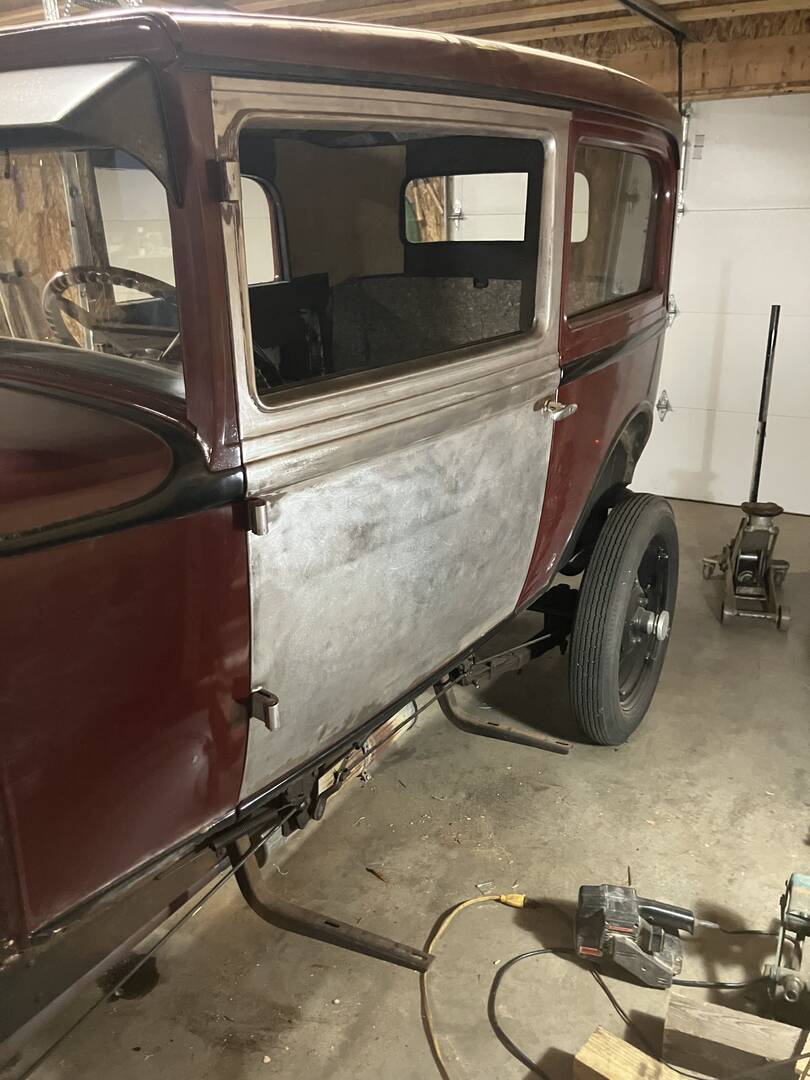
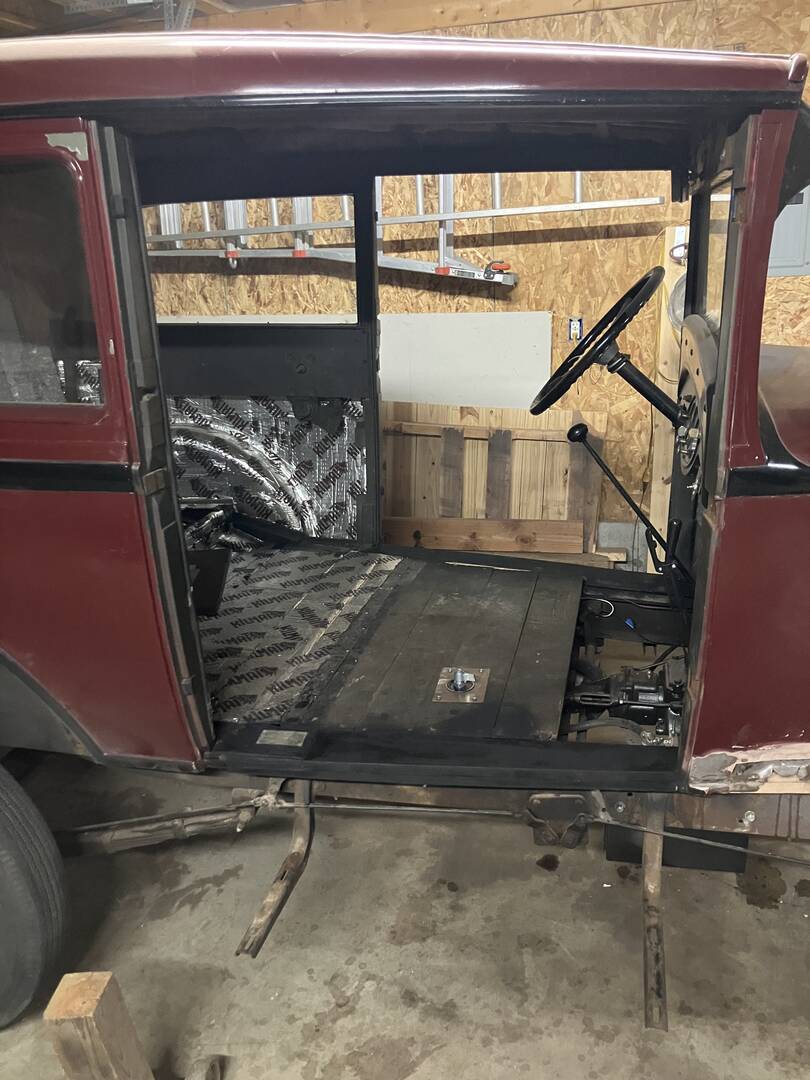
Last update on the sills. I finally finished and got the body back on the mounts. I lined up all the body bolts and so far everything is good. Here are a few pics of the finished product. I treated the wood with preservative but I also painted it to get the color closer to the other wood in the car. I treated all of the originals wood that was exposed with wood fiber hardener as well. I am very happy with the results and the door fitment on both sides. I am onto metal work now. There is some but not a lot. I need to get all the bare metal into primer before I leave for Florida in October.